

 CH
CH EN
ENWhy do cat owners prefer to sleep on their necks? Unveiling the affectionate code of 'neck sleeping' cats
Have you ever noticed a furry little creature quietly climbing onto the bed on countless quiet nights, curling up lightly between your necks and falling asleep with a gentle snoring sound? This scene is warm and common, but it hides mysteries. The cat's choice to sleep on its owner's neck is not a random act, but a complex behavior that combines instinct, emotion, and physiological needs. They use body language to express trust, dependence, and love, reflecting the unique emotional connection that has evolved over thousands of years of coexistence between cats and humans. This seemingly ordinary sleeping posture is actually a deep projection of the inner world of the "cat master".
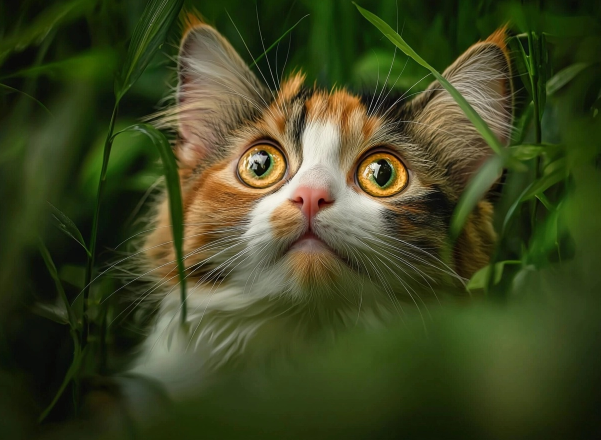
Cats are naturally alert and maintain sensitivity to their environment even during sleep. Sleeping near the owner's neck can maximize the avoidance of potential threats, as this location is close to the heat source and can sense the owner's breathing and heartbeat rhythm, forming a natural "safety barrier". The stable body temperature and familiar scent emanating from the human neck make cats feel like they are in the warm nest of their mother cat when they were young. Animal behavior studies have shown that when cats are around their owners, their stress hormone levels significantly decrease and their heart rate becomes more stable. This physiological relaxation is an important driving force for them to choose neck sleep.
Cats are emotionally sensitive creatures that transmit silent love through physical contact. Sleeping around your neck is a symbol of high trust, indicating that it has regarded you as a "family member" or even a "cat mother". They rub your skin with their cheeks, leaving their own scent pheromones, completing a gentle 'territory marker' that declares you belong to it. This behavior is not only about possession, but also about establishing a sense of belonging. When you share your breathing rate with it, it finds an emotional anchor in you, and this intimacy is the trust delivery it has practiced throughout its life.
Cats have a slightly higher body temperature than humans, but their bodies dissipate heat quickly, especially short haired breeds that need to actively seek heat sources to maintain a constant temperature. The human neck has abundant arteries and concentrated heat, making it a natural "constant temperature sleeping pad". Especially in winter, many cats will accurately "locate" the head and neck areas of their owners, using this "biological heater" to save energy and keep warm. In addition, the human body is soft and elastic, far superior to hard cat beds, so cats naturally tend to choose more comfortable sleeping carriers. This pursuit of warmth and comfort is the survival wisdom bestowed upon them by evolution.
The habit of snuggling up with the mother cat during its infancy is often transferred to its owner in adulthood. Cats that have lived with humans since childhood will consider their owners' bodies as a safe base and continue their childhood attachment patterns. In addition, the owner's heartbeat rhythm is similar to the frequency of the cat's snoring, creating a resonant soothing effect that further enhances sleep quality. Some cats even "supervise" by their pillows in the morning to ensure that meals are served on time. This behavior is both a habit and a manifestation of emotional dependence, and it is a unique way for them to integrate into the human family.
Cats sleeping on their necks may seem simple, but in reality, it is a deeply emotional choice intertwined with multiple factors. It is not only an instinctive warmth seeking and risk avoidance, but also an emotional trust delivery, and an intimate dialogue across species. As owners, we should cherish this fortunate choice while balancing hygiene and health, providing a warm and boundary coexisting space for our beloved cats. Only by understanding its behavioral code can one truly enter its world.
News recommendation
-
 23,Jan 2026
Dogs are picky eaters and don't like to eat? These reasons and coping strategies are essential for pet owners to consider
View
-
 23,Jan 2026
Does the puppy know it's getting old? The gentle perception hidden in aging
View
-
 23,Jan 2026
Don't panic when you're a novice dog owner! These four types of dogs have good personalities, require less care, and are easy to get started without stepping into pitfalls
View