

 CH
CH EN
ENThe truth behind cat shedding hair: is it a normal phenomenon or a health alert?
Many cat owning families face a common "annoyance": regardless of their long or short fur, cats seem to always lose their fur. Scattered cat fur can be seen everywhere on the sofa, clothes, and floor crevices, making people feel both helpless and heartbroken. Many people mistakenly believe that shedding fur is because the cat is sick, or suspect that they are not taking care of it properly. In fact, shedding fur in cats is a common and complex physiological or environmental phenomenon, which is a natural law brought about by seasonal changes and may also pose health risks. Understanding the reasons behind shedding fur can not only help us respond scientifically, but also promptly identify potential problems and provide more caring care for cats.
Seasonal molting is the most common and natural reason for cats to lose their fur. Like many mammals, cats adjust the thickness of their fur according to changes in temperature and daylight hours. Usually in late spring and early summer, they will shed their thick winter fur and put on lightweight summer clothes; And in autumn, dense undercoat begins to grow to keep warm. This process often lasts for several weeks, during which the amount of hair loss significantly increases. Although indoor constant temperature environment can slow down the pace of hair changing, it cannot completely prevent it. At this time, regularly combing hair can not only reduce floating hair at home, but also promote skin blood circulation and help new hair grow healthily. It is an essential daily care step that the owner cannot ignore.
In addition to seasonal factors, nutritional status also has a significant impact on cat hair loss. High quality protein, essential fatty acids such as Omega-3 and Omega-6, as well as vitamins A and E, are all key components in maintaining hair strength and shine. If cats consume low-quality cat food for a long time or have a single dietary structure, they may experience dry, easily broken, or even large areas of hair loss. In addition, sudden changes in food, insufficient drinking water, or poor digestion and absorption may indirectly lead to insufficient nutrient supply to hair follicles. Therefore, choosing scientifically proportioned staple foods, avoiding frequent food changes, and supplementing nutrients under veterinary guidance when necessary are all effective ways to maintain the health of cat fur.
Stress and emotional fluctuations are also important causes of abnormal hair loss. Cats are naturally sensitive, and moving, joining new members, prolonged solitude, and noise interference can all cause psychological stress. In this state, some cats may exhibit excessive licking behavior in an attempt to relieve anxiety through self soothing, leading to localized hair loss, medically known as "psychogenic hair loss". This type of hair removal is usually concentrated in easily licked areas such as the abdomen and inner limbs, but there is no obvious lesion on the surface of the skin. Identifying and eliminating sources of stress, providing more companionship and a sense of security, and cooperating with a comfortable environment (such as cat scratching boards and hiding spaces) can often effectively improve symptoms.
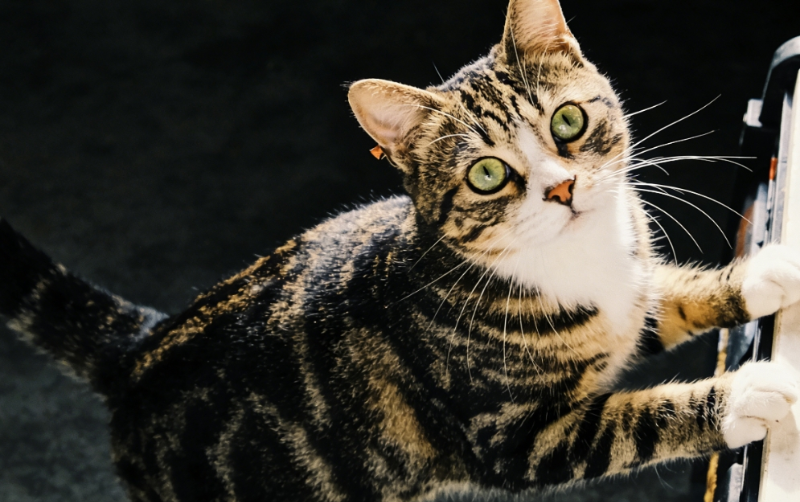
Of course, certain pathological factors cannot be ignored. Parasitic infections (such as fleas and mites), fungal infections (such as cat ringworm), allergic reactions (to food, dust mites, or cleaning agents), endocrine disorders (such as thyroid dysfunction), etc. can all cause cats to experience abnormal hair loss, often accompanied by symptoms such as itching, redness, dandruff, or skin ulceration. If the cat's shedding area is found to be asymmetrical, the skin condition is abnormal, or accompanied by mental fatigue and decreased appetite, it should be taken to medical attention in a timely manner. Do not self medicate to avoid delaying the condition. Professional skin examination and laboratory testing are the key to identifying the cause.
Overall, shedding fur in cats is not always a bad thing. Seasonal and physiological shedding of fur is a normal phenomenon and there is no need to worry excessively. But when the amount of hair loss suddenly increases, the distribution is uneven, or accompanied by other abnormal manifestations, it is necessary to be vigilant. As owners, we not only need to master daily care skills such as regular grooming, balanced diet, and creating a stable environment, but also learn to observe details and identify potential health risks in a timely manner. Only by combining scientific understanding with careful care can our furry children have a healthy and beautiful coat, and also let us have less worries, more peace of mind, and warmth in our coexistence with it.
News recommendation
-
 23,Jan 2026
Dogs are picky eaters and don't like to eat? These reasons and coping strategies are essential for pet owners to consider
View
-
 23,Jan 2026
Does the puppy know it's getting old? The gentle perception hidden in aging
View
-
 23,Jan 2026
Why do cat owners prefer to sleep on their necks? Unveiling the affectionate code of 'neck sleeping' cats
View